
Pinus sylvestris
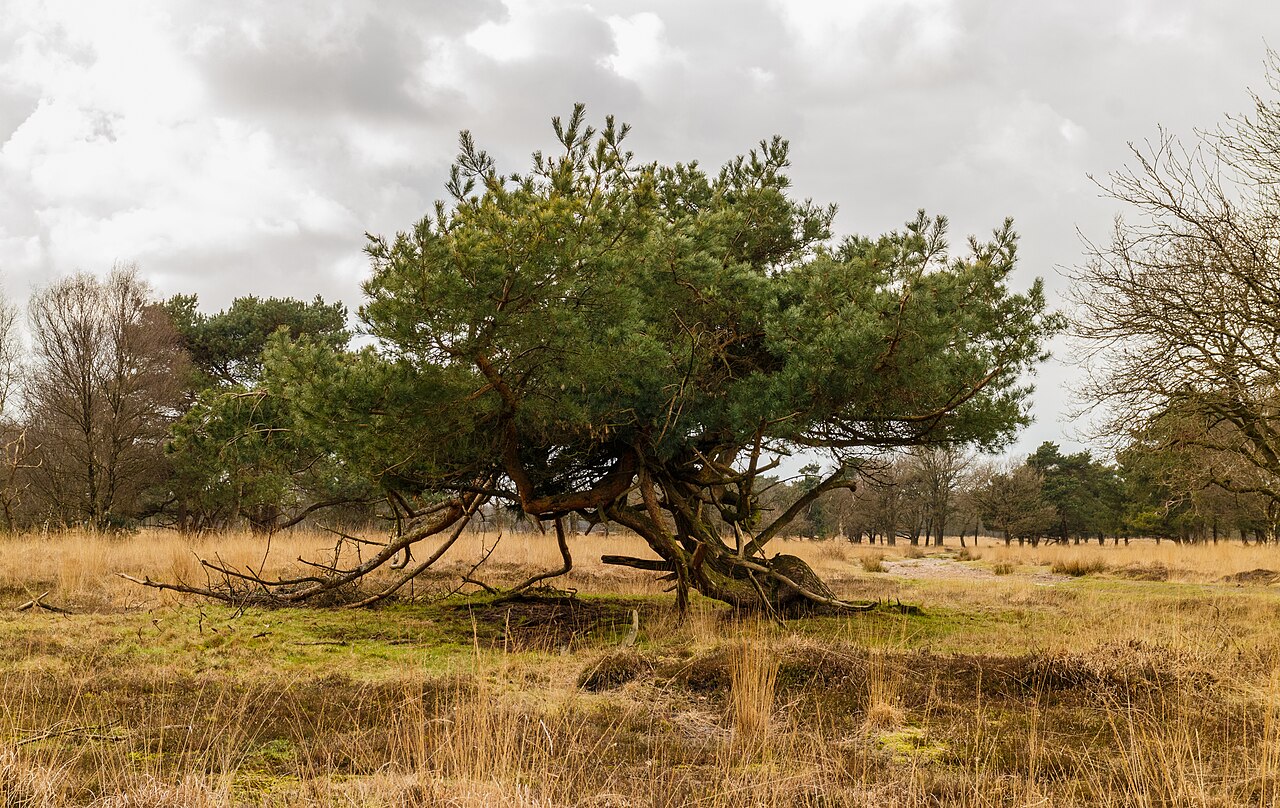
A resilient Eurasian pine with distinctive orange-red bark.

Dominicus Johannes Bergsma · CC BY-SA 4.0
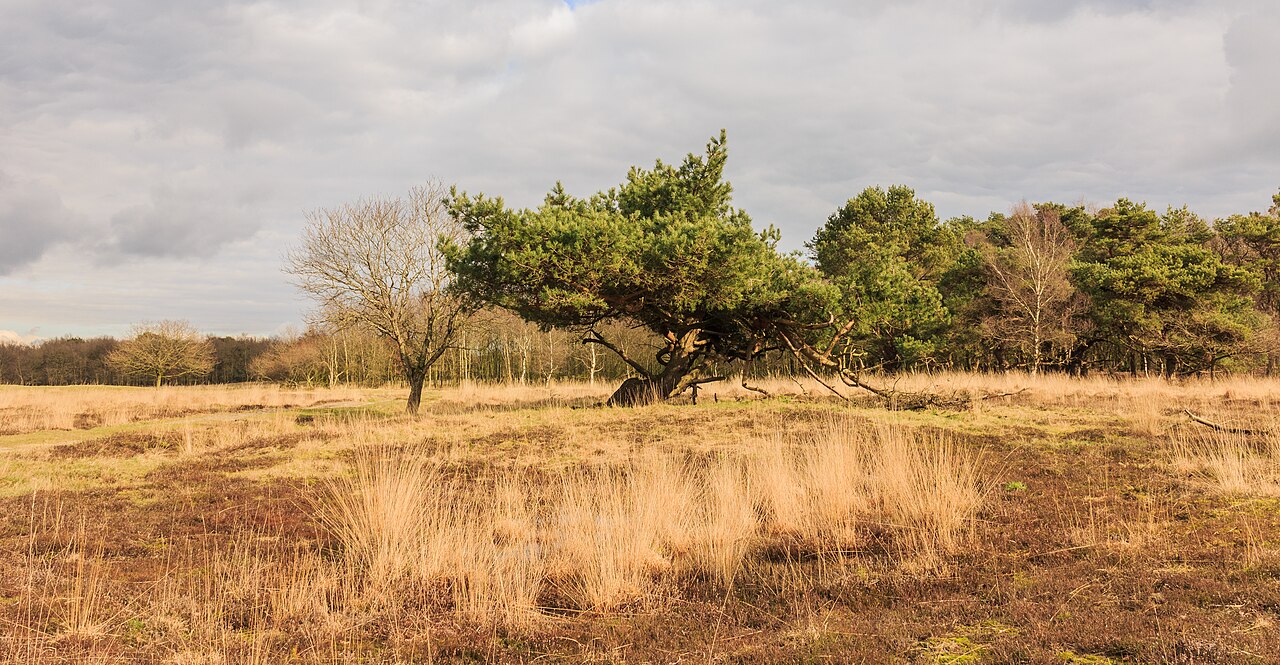
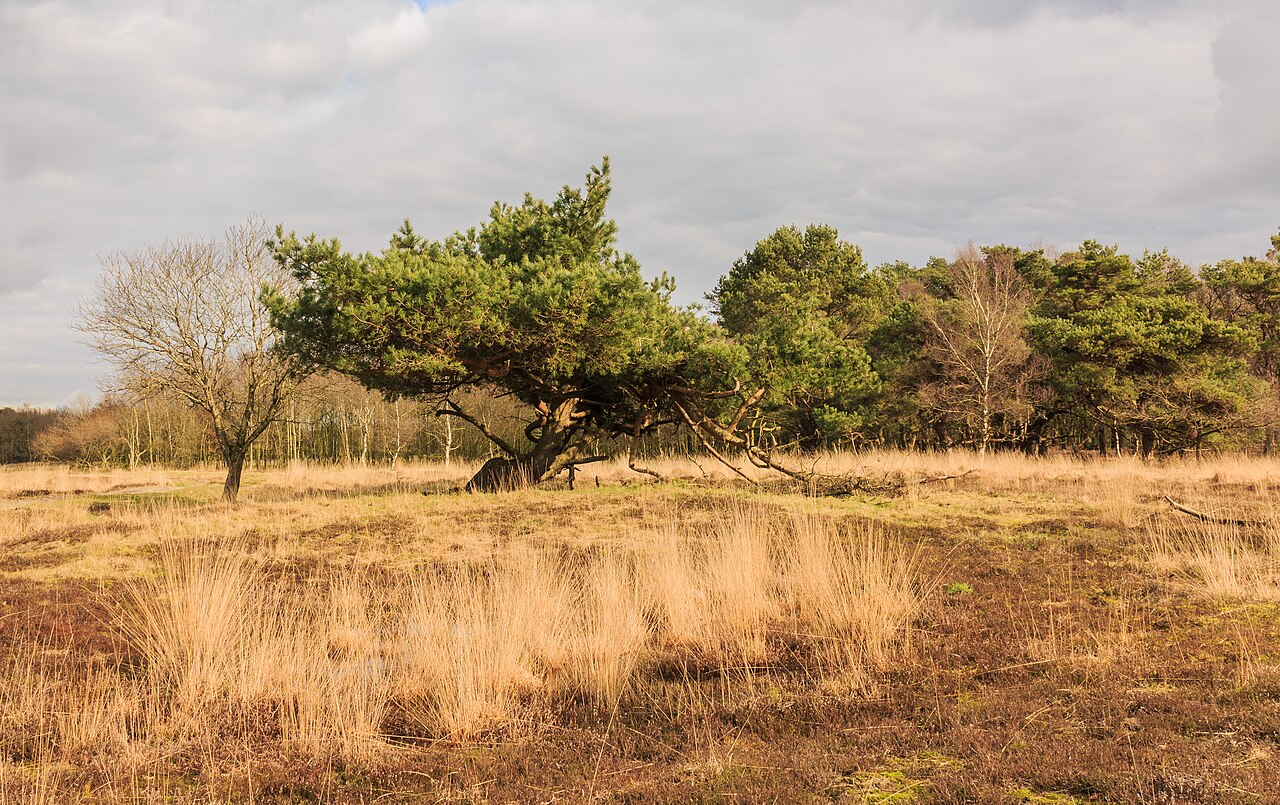
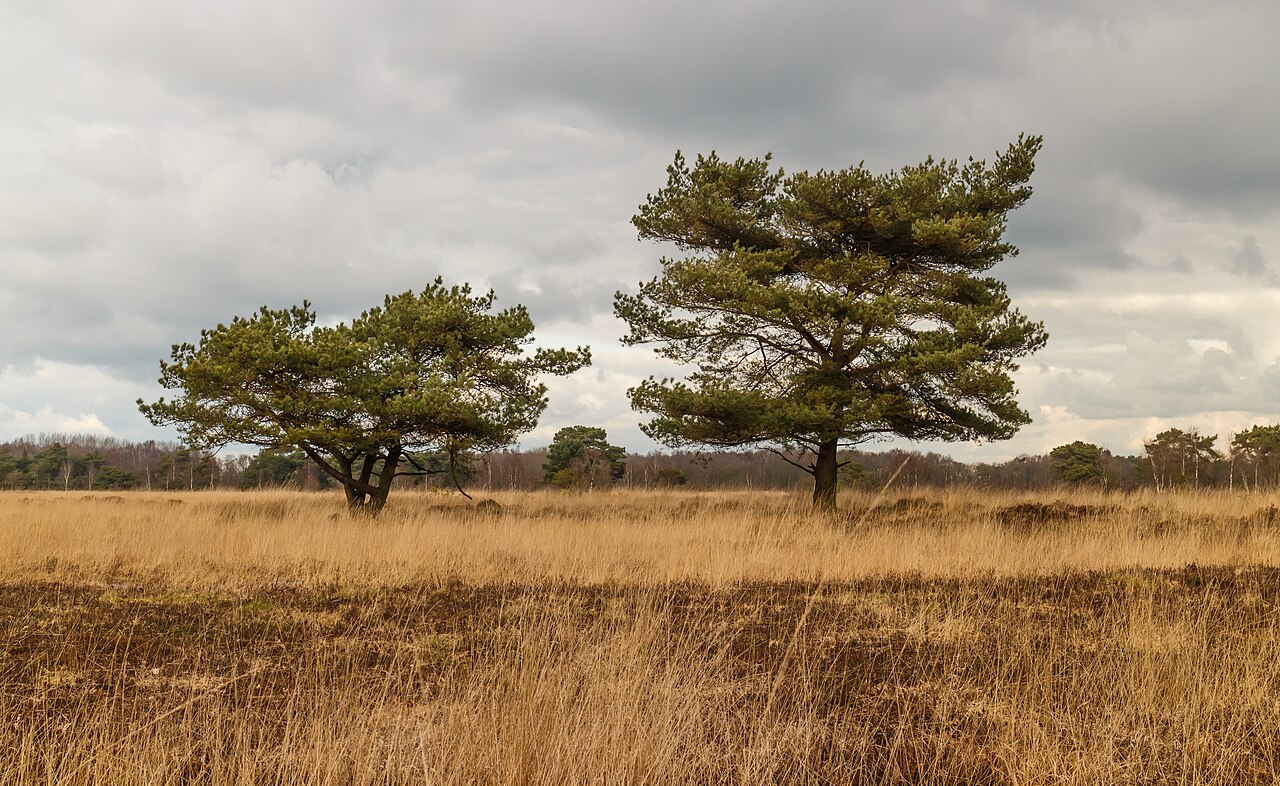
Pinus sylvestris is a species of tree in the pine family Pinaceae that is native to Eurasia. It is commonly known as the Scots pine in English, also known as the Scotch pine in the United States, and occasionally called the Baltic pine or European red pine. It can readily be identified by its combination of fairly short, blue-green leaves and orange-red bark.
- field
- Botany
- known_for
- Only pine native to northern Europe; important forestry tree
- native_range
- Eurasia, from Western Europe to Eastern Siberia
Lore & Background
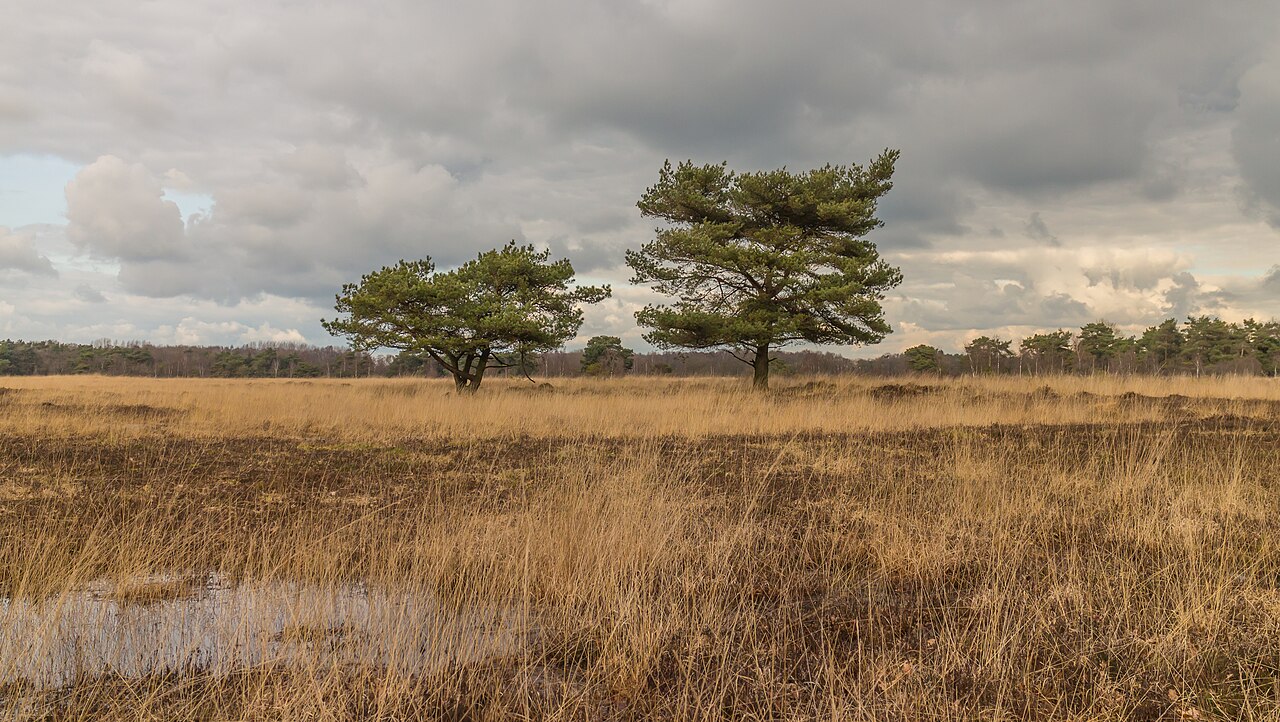
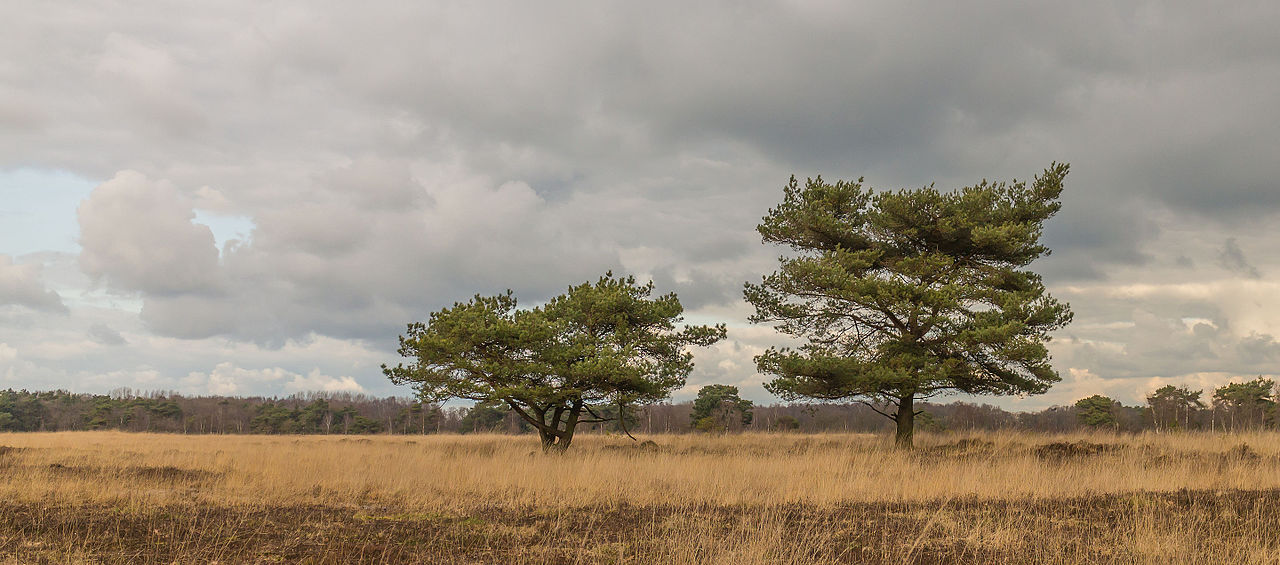
Pinus sylvestris is a variety of ancient evergreen coniferous tree. A fossil seed cone of Pinus montana fossilis sent by the Naturmuseum Senckenberg to the Swedish Museum of Natural History was dated to the late Pliocene epoch (Reuverian stage ~ 2.6 million years ago). Its longevity might be due to its genetics; genes during the haploid stage of its life cycle are subject to stronger negative selection. Modern trees can grow up to 35 metres in height and 1 m in trunk diameter when mature, exceptionally over 45 m tall and 1.7 m in trunk diameter on very productive sites. The bark is thick, flaky and orange-red when young to scaly and gray-brown in maturity. The habit of the mature tree is distinctive due to its long, bare and straight trunk topped by a rounded or flat-topped mass of foliage.
Reader's Guide
Pinus sylvestris is the only pine native to northern Europe, ranging from Western Europe to Eastern Siberia, south to the Caucasus Mountains and Anatolia, and north to well inside the Arctic Circle in Fennoscandia. It is mainly found on poorer, sandy soils, rocky outcrops, peat bogs or close to the forest limit. The species is an important tree in forestry; its wood is used for pulp and sawn timber products. The pine formed much of the Caledonian Forest, which once covered much of the Scottish Highlands. Plans are currently in progress to restore at least some areas.
Did You Know?
- Before the 18th century, the species was more often known as Scots fir or Scotch fir.
Gallery
Frequently Asked Questions
What is Pinus sylvestris?
Pinus sylvestris is a conifer species in the Pinaceae family, most commonly called the Scots pine (or Scotch pine in American usage). It holds the distinction of being the only true pine species native to northern Europe.
What are Pinus sylvestris's key identifying features?
The tree is easily recognized by its combination of relatively short, blue-green needles and a striking orange-red bark. This colour pairing sets it apart from most other European conifers.
Where does Pinus sylvestris grow naturally?
Its native range stretches across the broad expanse of Eurasia, from Western European coastlands all the way to Eastern Siberia. It thrives across a wide variety of temperate and boreal habitats within that range.
Why is Pinus sylvestris important to forestry and ecology?
As the sole native pine of northern Europe, it plays a central role in regional forest management and timber production. Its resilience and wide distribution make it a cornerstone species for both ecological and economic purposes across its range.
More in Conifers & Allies 1-20
Spotted an error? Know more?
This is a living reference — every entry is fact-audited, and reader corrections feed straight into our audit queue. Suggest an edit · See this site's audit record