
Pinus longaeva
Long-lived pine of high western mountains, home to Earth's oldest non-clonal tree.

Dcrjsr · CC BY-SA 3.0
Pinus longaeva, commonly referred to as the Great Basin bristlecone pine, intermountain bristlecone pine, or western bristlecone pine, is a long-living species of bristlecone pine tree found in the higher mountains of California, Nevada, and Utah.
- species
- Pinus longaeva
- common_names
- Great Basin bristlecone pine, intermountain bristlecone pine, western bristlecone pine
- height_range
- 5 to 15 m (16 to 49 ft)
- trunk_diameter
- up to 2.5 to 3.6 m (8 to 12 ft)
- native_range
- California, Nevada, Utah
Lore & Background
The species is extremely susceptible to fire, but large-scale fires are uncommon where it grows. The species was moved from 'Vulnerable' to 'Least Concern' on the IUCN Red List. Bristlecone pines are protected in areas such as the Ancient Bristlecone Pine Forest in California and Great Basin National Park in Nevada, which prohibit cutting or gathering wood.
Reader's Guide
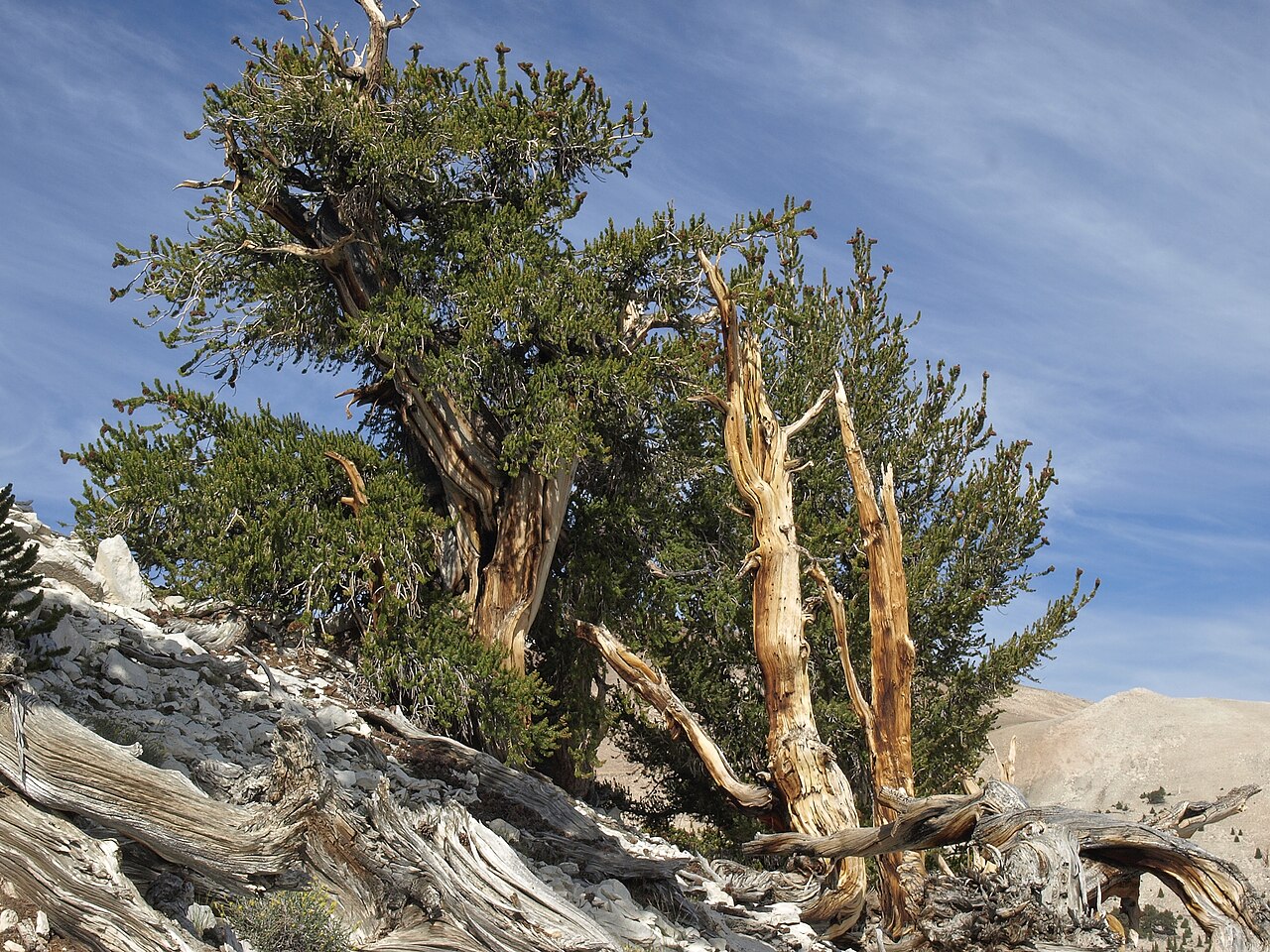
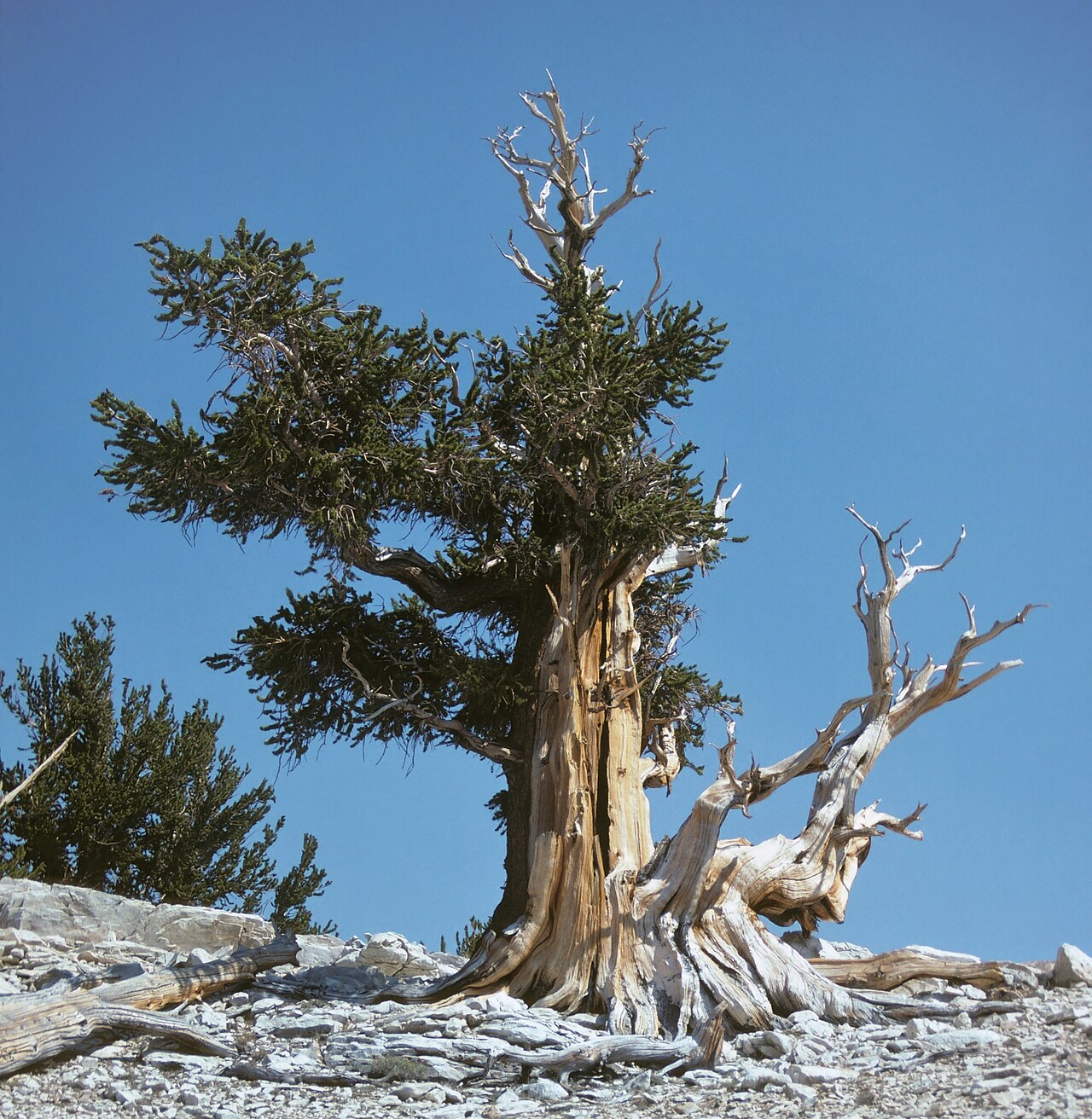
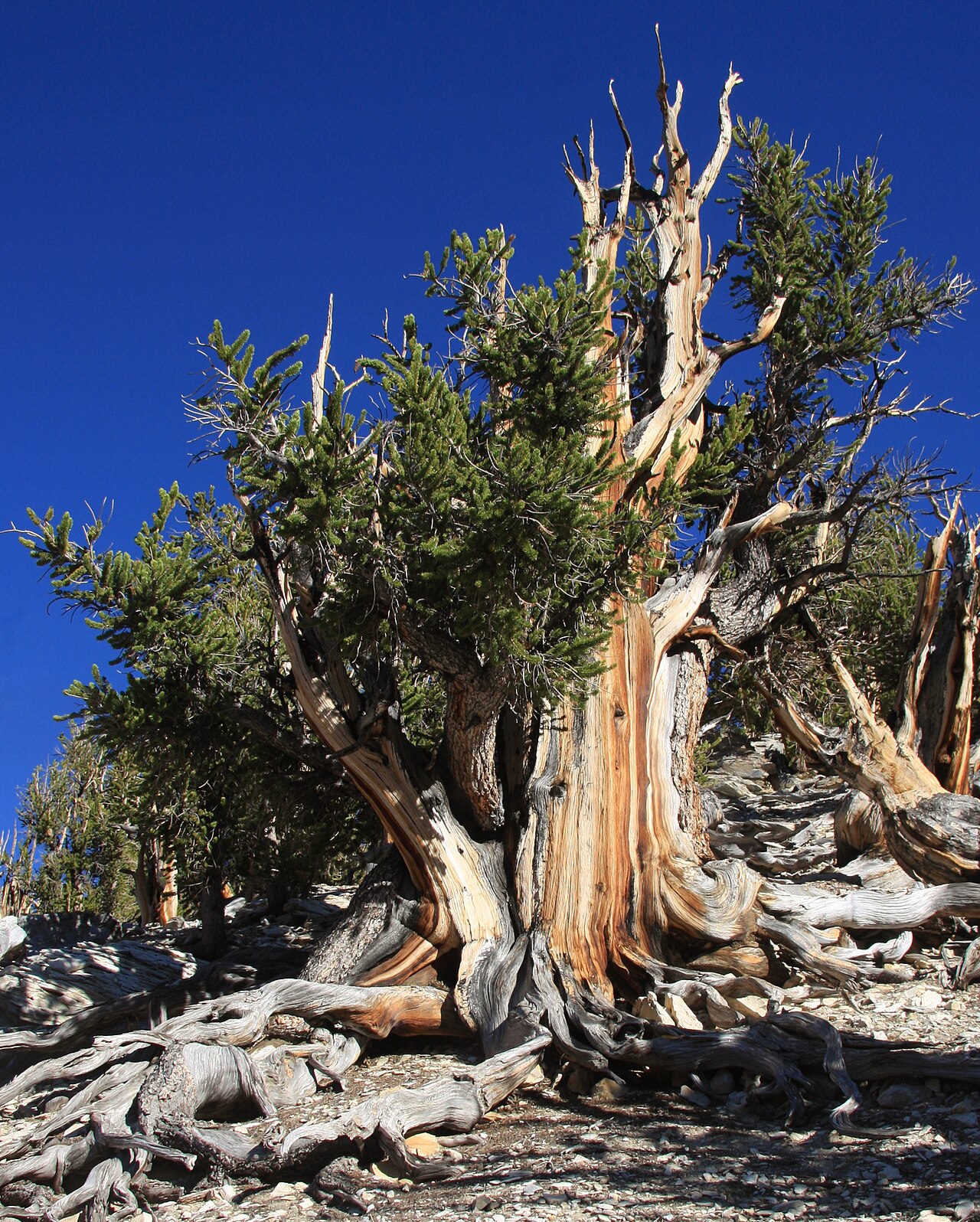
Its extreme longevity, combined with its ability to survive in harsh, high-elevation environments on dolomite soils, makes it a key subject for dendrochronology and climate research. The species' resilience is evident in its slow growth, durable wood that can persist for thousands of years after death, and its role as a primary succession species that quickly colonizes open ground. However, it is a poor competitor in good soils, thriving instead in marginal habitats where few other plants can grow. Its legacy is intertwined with the protection of ancient groves in national parks and forests, and with the ongoing scientific quest to understand the mechanisms of extreme longevity. The species also illustrates the delicate balance between fire susceptibility and ecological resilience, as climate change may increase fire frequency in lower-elevation stands.
Did You Know?
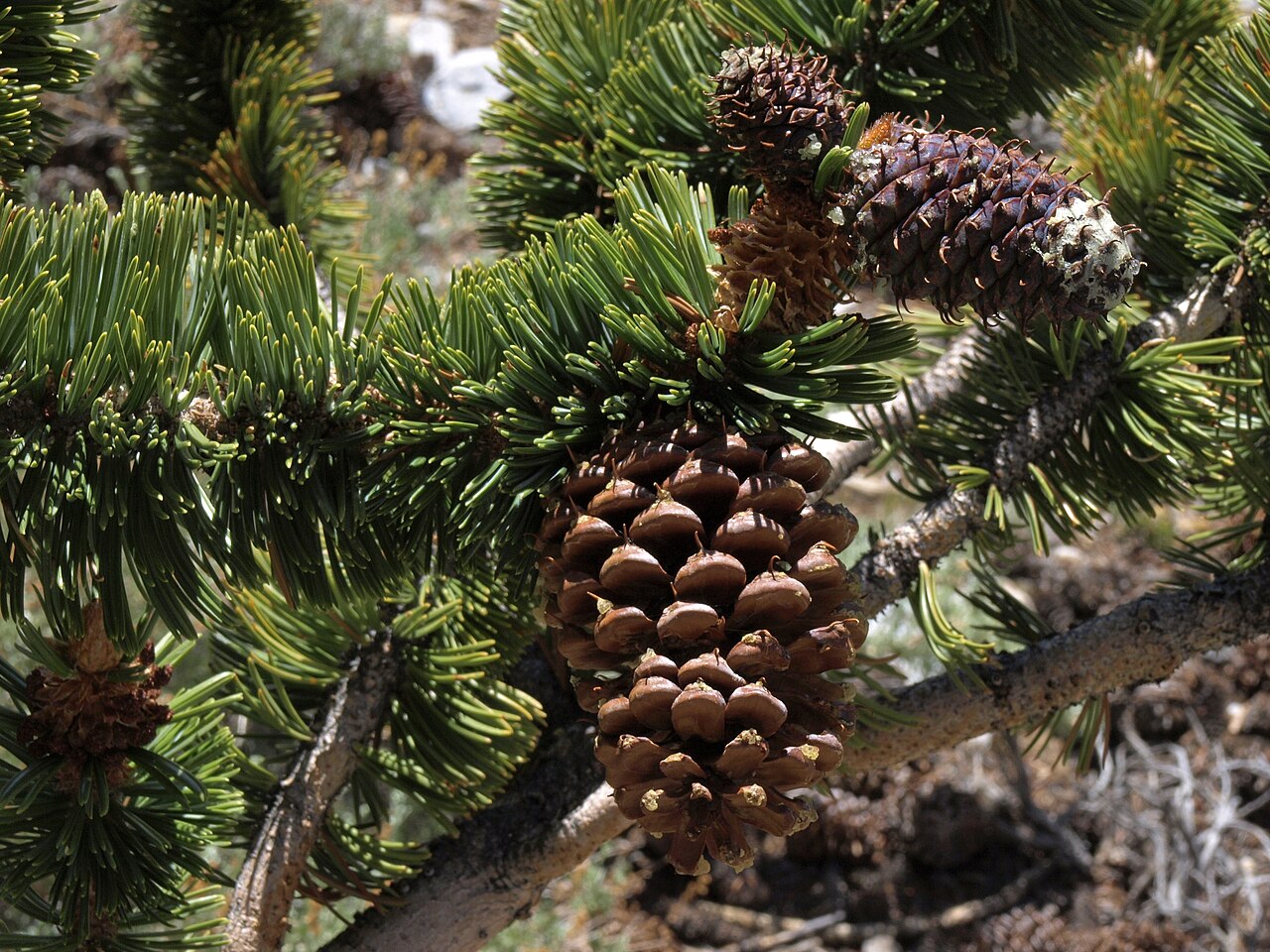
- The needles of Pinus longaeva can remain green for up to 45 years, among the longest persistence of any plant.
- Clark's nutcrackers may disperse Pinus longaeva seeds, as evidenced by the prevalence of multi-trunk individuals in areas where the birds are present.
Gallery
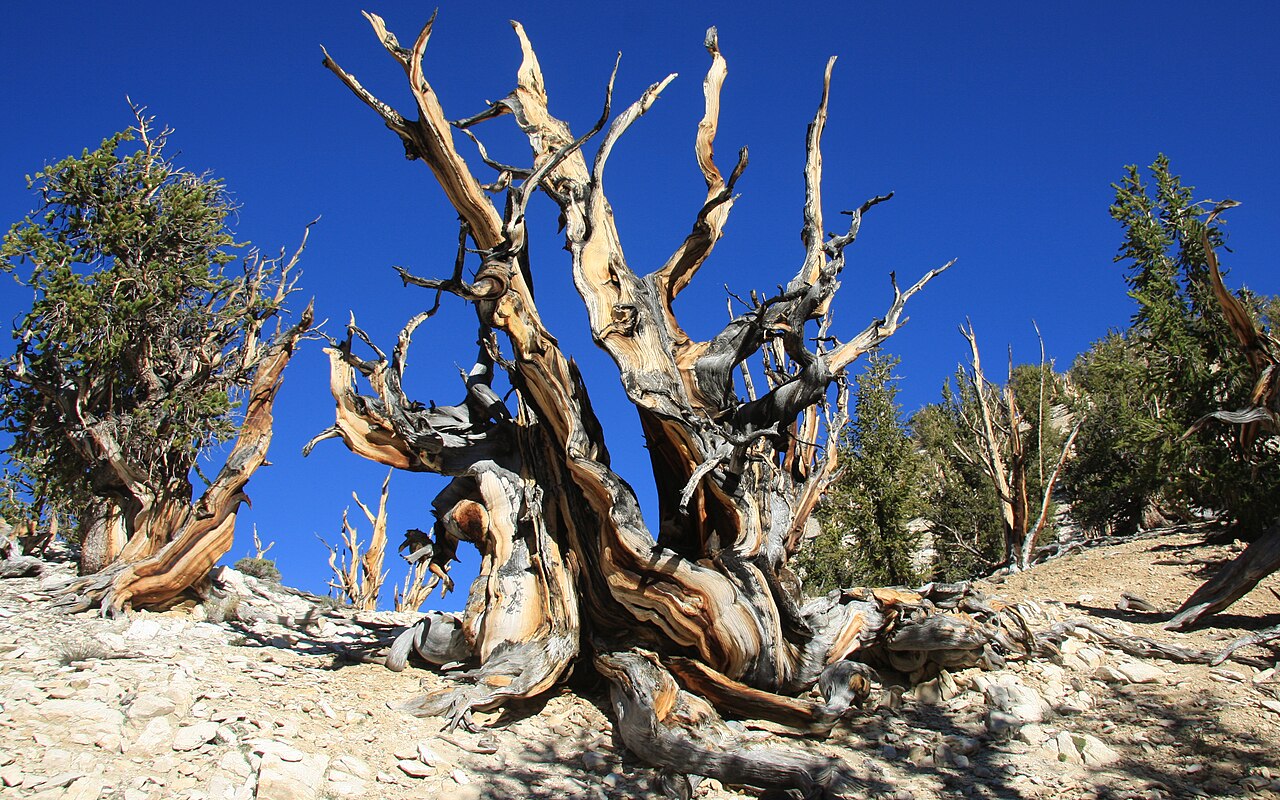
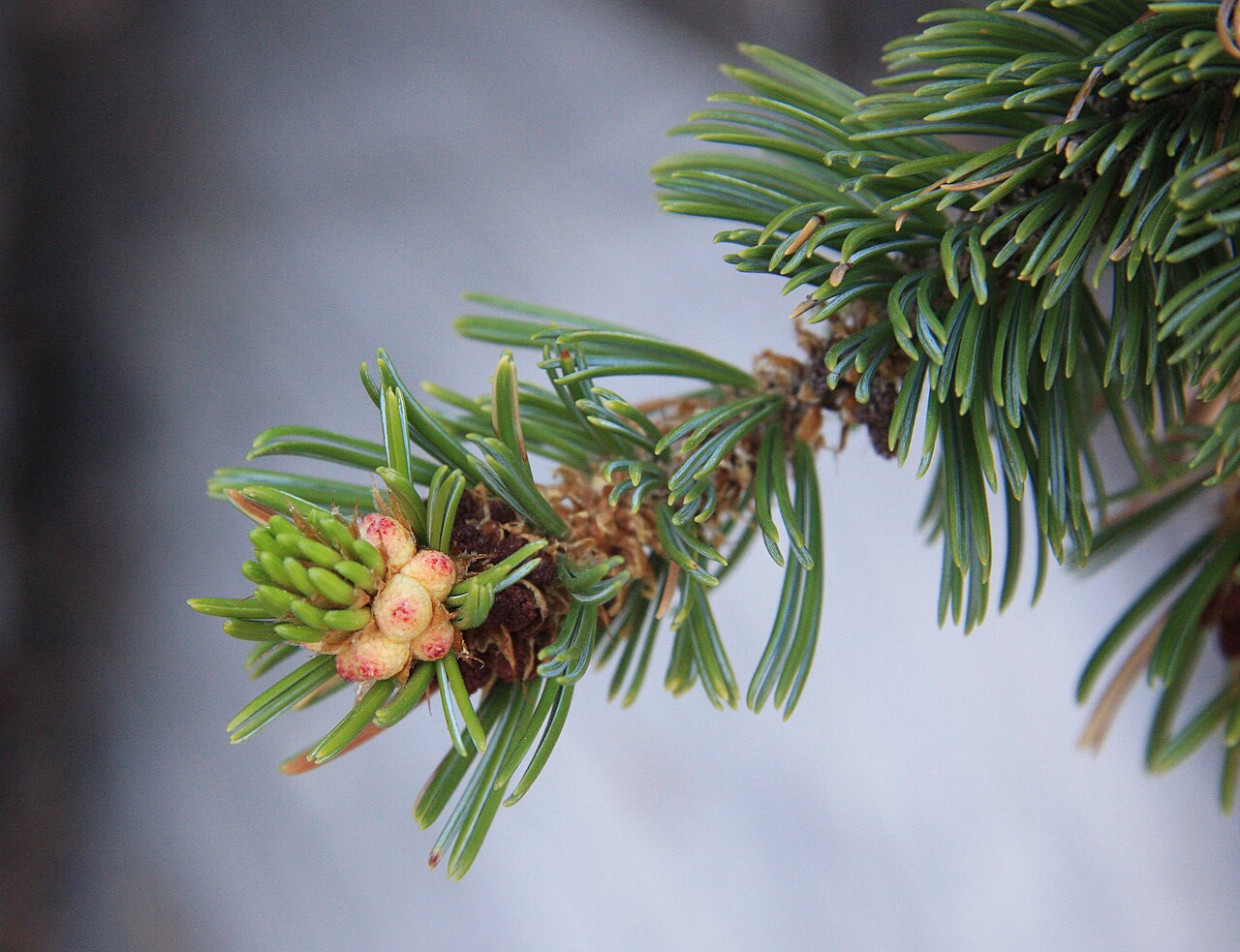
Frequently Asked Questions
What is Pinus longaeva?
It is a bristlecone pine species that thrives in the high-elevation mountains of the American West, specifically across California, Nevada, and Utah. You will also see it called Great Basin bristlecone pine, intermountain bristlecone pine, or western bristlecone pine.
How big does Pinus longaeva get?
These pines typically stand between 16 and 49 feet tall, with trunks that can reach roughly 8 to 12 feet in diameter. Despite their modest stature, they are extraordinarily dense and slow-growing.
More in Conifers & Allies 1-20
Spotted an error? Know more?
This is a living reference — every entry is fact-audited, and reader corrections feed straight into our audit queue. Suggest an edit · See this site's audit record