
Pinus strobus
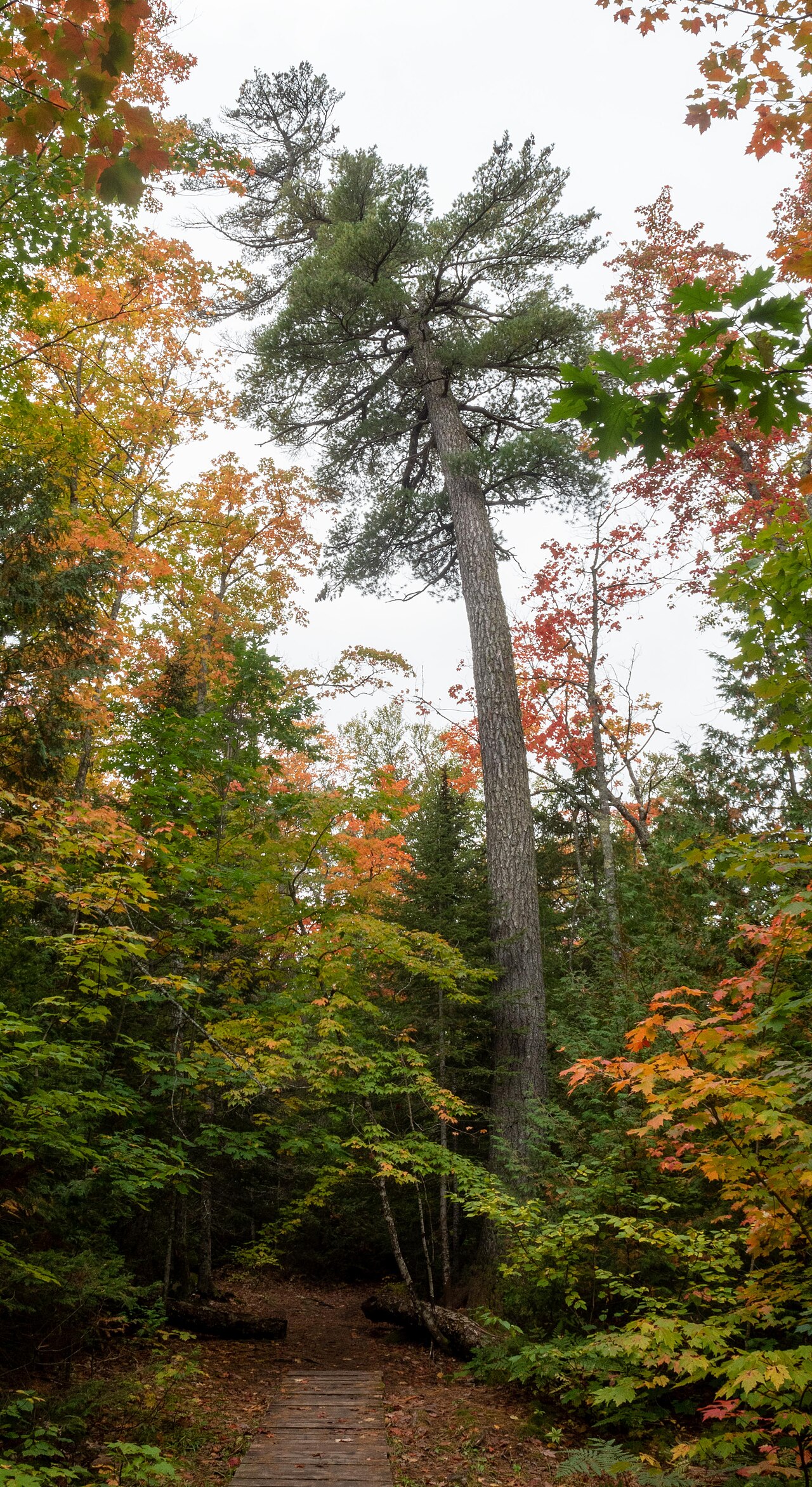
Eastern white pine is the tallest tree in eastern North America.

OlyScientist · CC BY-SA 4.0
Pinus strobus, commonly called the eastern white pine, northern white pine, white pine, Weymouth pine (British), and soft pine, is a large pine native to eastern North America. It occurs from Newfoundland, Canada, west through the Great Lakes region to southeastern Manitoba and Minnesota, United States, and south along the Appalachian Mountains and upper Piedmont to northernmost Georgia and very rare in some of the higher elevations in northeastern Alabama. It is considered rare in Indiana. The Haudenosaunee maintain the tree as the central symbol of their multinational confederation, calling it the 'Tree of Peace.'
- Scientific name
- Pinus strobus
- Common names
- eastern white pine, northern white pine, white pine, Weymouth pine (British), soft pine
- Native range
- eastern North America
- Leaf arrangement
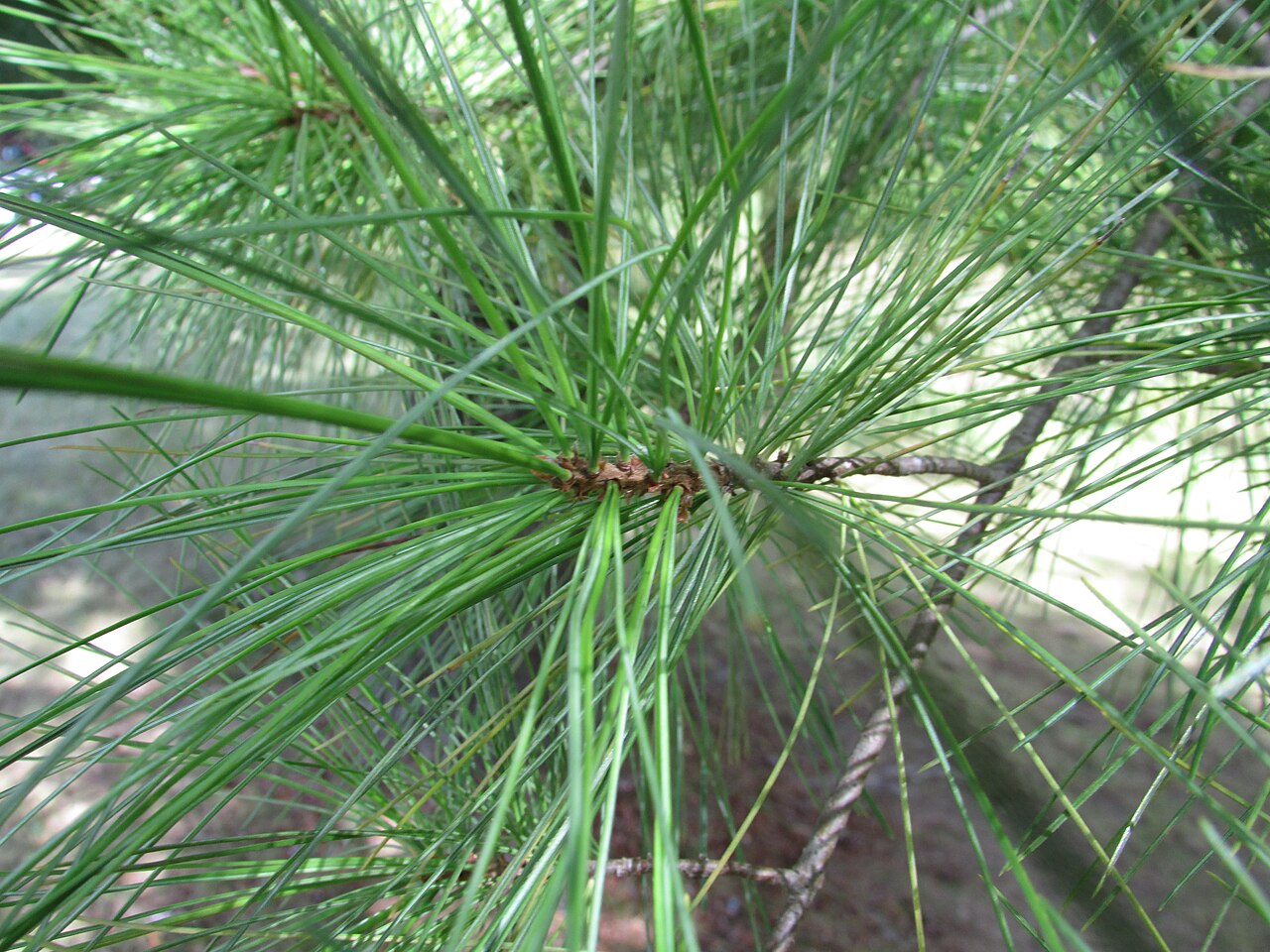
- fascicles of five (rarely three or four)
- Seed cone length
- 8–16 cm (3+1⁄4–6+1⁄4 in)
Lore & Background
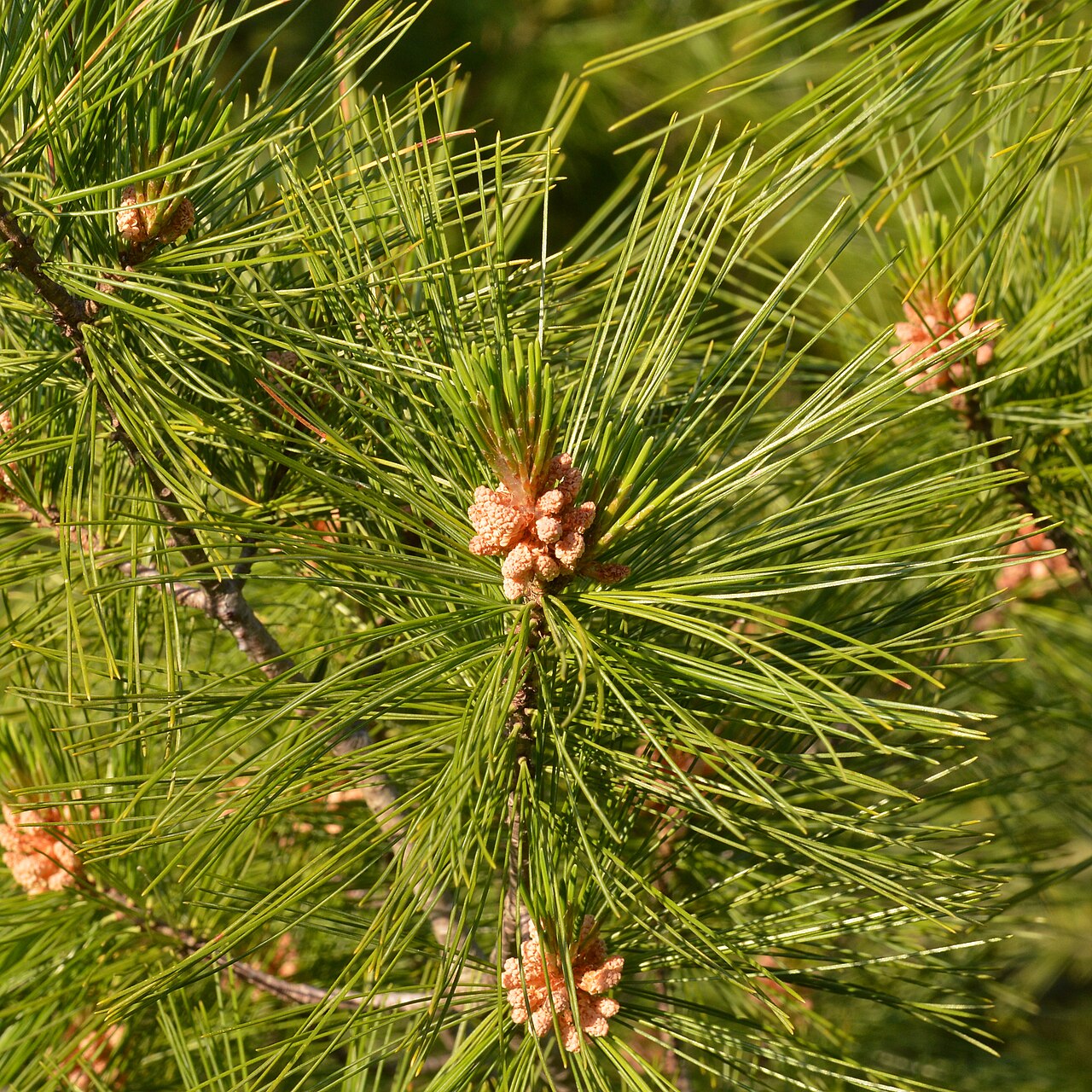
Pinus strobus is an evergreen tree with a deep, asymmetrically cylindrical crown of outstretched thin branches. The leaves are flexible, bluish-green, finely serrated, and 5–13 cm long. The seed cones are slender, 8–16 cm long, with scales that have a rounded apex and slightly reflexed tip, often resinous. Seeds are 4–5 mm long with a slender 15–20 mm wing, dispersed by wind. Cone production peaks every 3 to 5 years.
Reader's Guide
Eastern white pine forests originally covered much of north-central and northeastern North America, but only 1% of the old-growth forests remain after extensive logging from the 18th century to early 20th century. Old-growth stands are protected in several locations, including Great Smoky Mountains National Park, Algonquin Provincial Park, and Cook Forest State Park. The tree provides food and shelter for numerous forest birds, such as the red crossbill, and small mammals such as squirrels. As an introduced species, P. strobus is now naturalizing in the Outer Western Carpathians in Czech Republic and southern Poland. The Haudenosaunee use the tree as the central symbol of their confederation, calling it the 'Tree of Peace,' with the Seneca name o'sóä' and the Mohawk name onerahtase'ko:wa. Within the Wabanaki Confederacy, the Mi'kmaq call it guow, the Wolastoqewiyik and Peskotomuhkatiyik call it kuw or kuwes, and the Abenaki use kowa.
Did You Know?
- Fossilized white pine leaves and pollen have been discovered by Brian Axsmith in the Gulf Coastal Plain, where the tree no longer occurs.
- Eastern white pine is self-fertile, but seeds produced this way tend to result in weak, stunted, and malformed seedlings.
Gallery
Frequently Asked Questions
Who is Pinus strobus?
Pinus strobus is a large native conifer of eastern North America, commonly called eastern white pine, northern white pine, Weymouth pine, or soft pine. It holds the title of the tallest tree species in eastern North America.
Where does Pinus strobus grow in the wild?
Its native range stretches from Newfoundland, Canada, west through the Great Lakes region into southeastern Manitoba and Minnesota, and south along the Appalachian Mountains to northernmost Georgia. It is notably rare in Indiana and very rare at higher elevations in northeastern Alabama.
Why is Pinus strobus culturally significant?
The Haudenosaunee maintain the eastern white pine as the central symbol of their multinational confederation. Beyond that cultural role, it stands as the tallest tree in eastern North America, making it a defining figure among the region's conifers.
More in Conifers & Allies 1-20
Spotted an error? Know more?
This is a living reference — every entry is fact-audited, and reader corrections feed straight into our audit queue. Suggest an edit · See this site's audit record