
Pinus pinea
Mediterranean pine valued for nuts and ornamental beauty.

Al*from*Lig · CC BY-SA 4.0
Pinus pinea, commonly known as the Italian stone pine or Mediterranean stone pine, is a coniferous evergreen tree from the pine family Pinaceae. Native to the Mediterranean region, it occurs in Southern Europe and the Levant, and has been introduced to North Africa, the Canary Islands, South Africa, and New South Wales. The species has been cultivated for its edible pine nuts since prehistoric times and is widely planted as an ornamental tree, having received the Royal Horticultural Society's Award of Garden Merit.
- Height
- Up to 25 m (80 ft), typically 12–20 m (40–65 ft)
- Leaf type
- Needle-like, in bundles of two, 10–20 cm (4–8 in) long
- Cone maturation
- 36 months, longer than any other pine
- Seed size
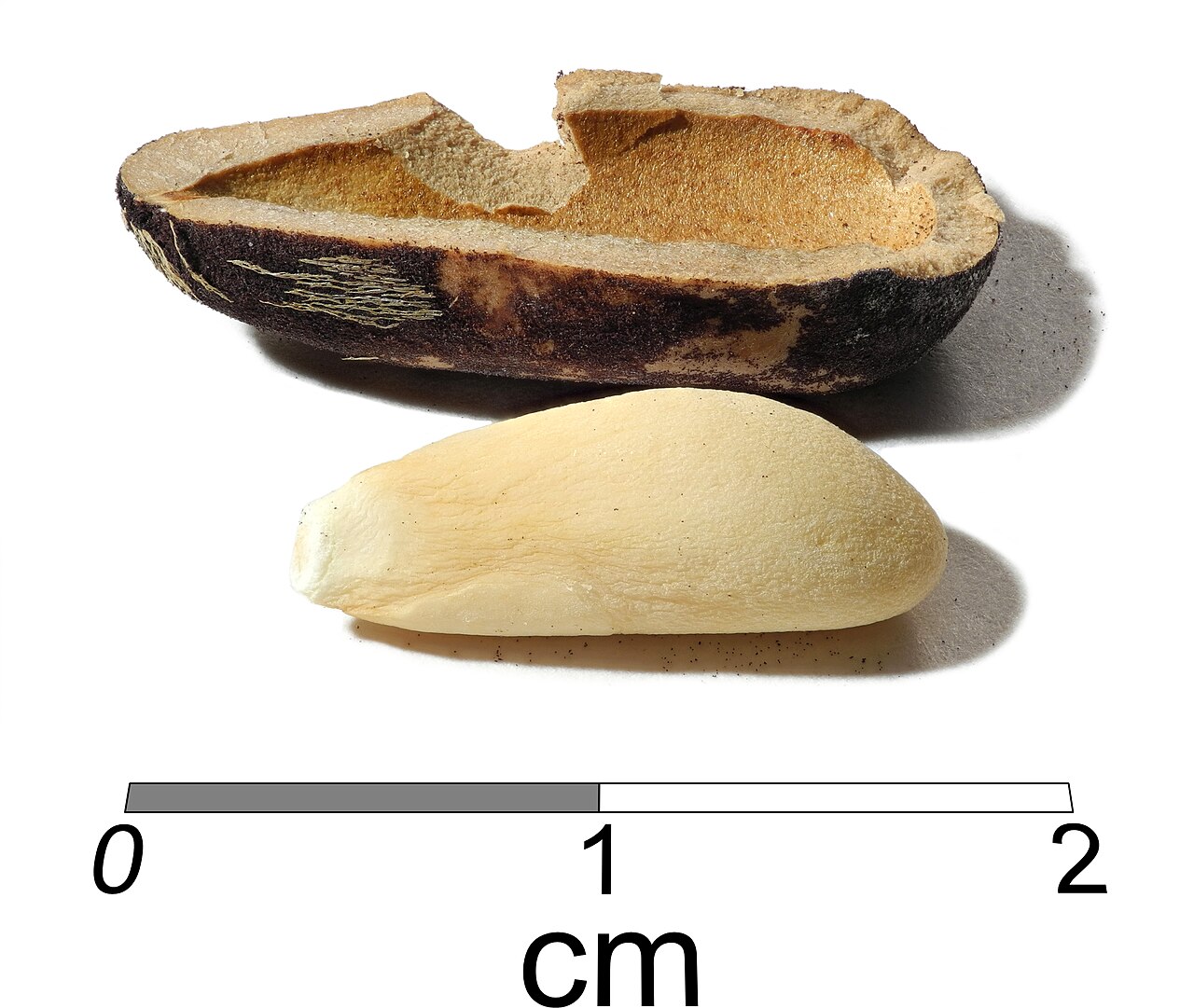
- 2 cm (3/4 in) long, pale brown with powdery black coating
- Native region
- Mediterranean basin, with debated origin in Iberian Peninsula
- Known for
- Edible pine nuts and ornamental use
Lore & Background
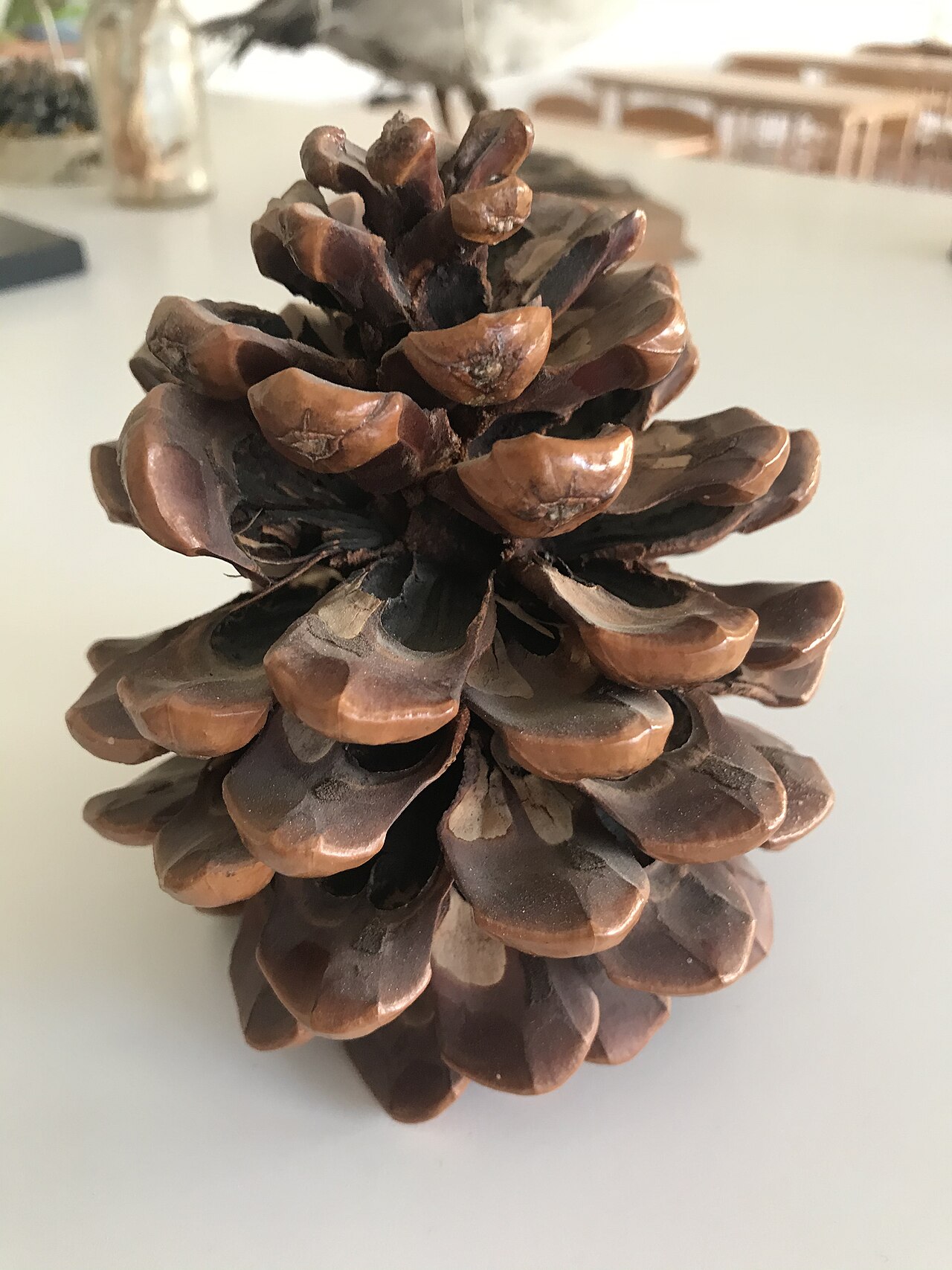
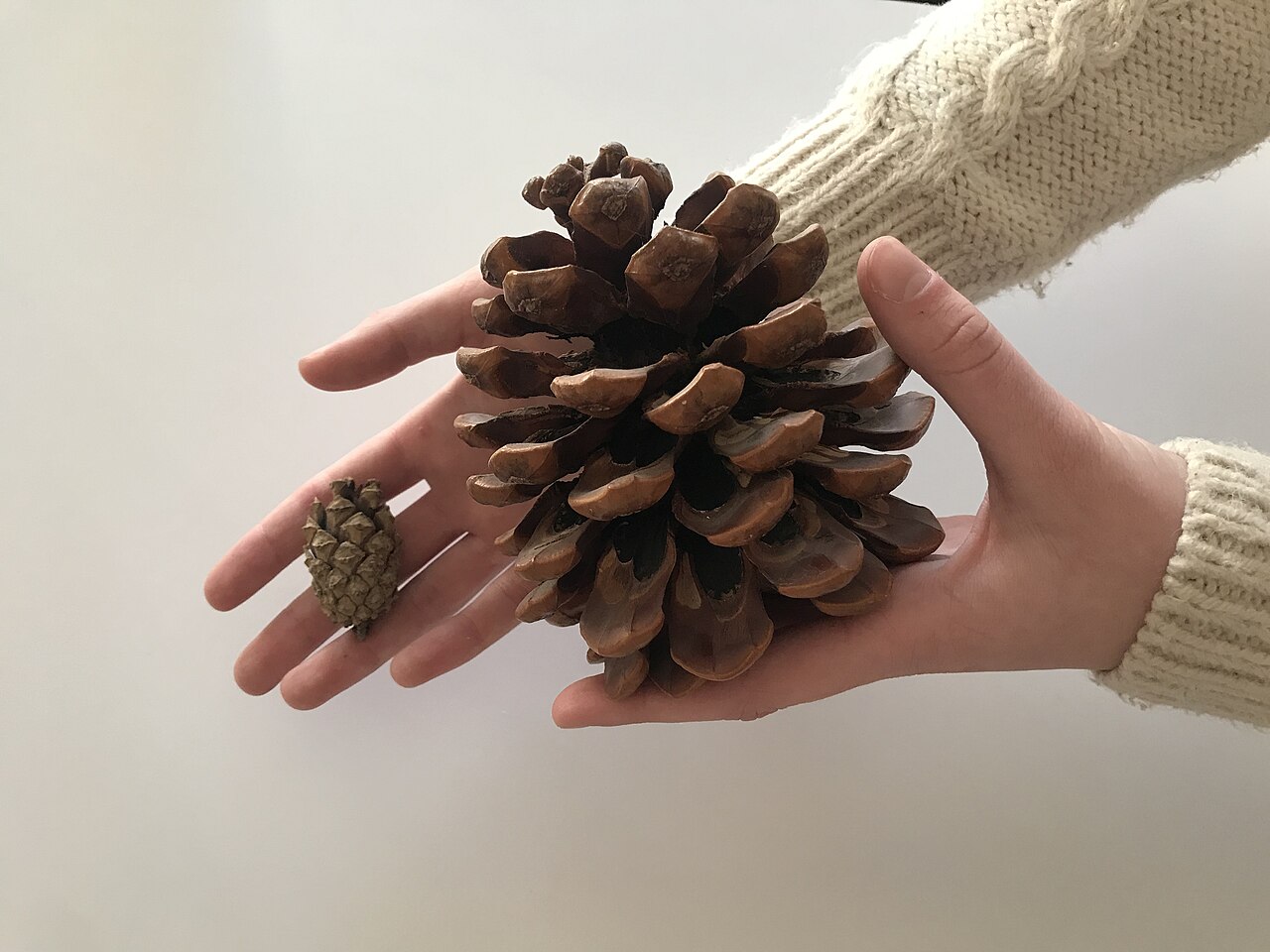
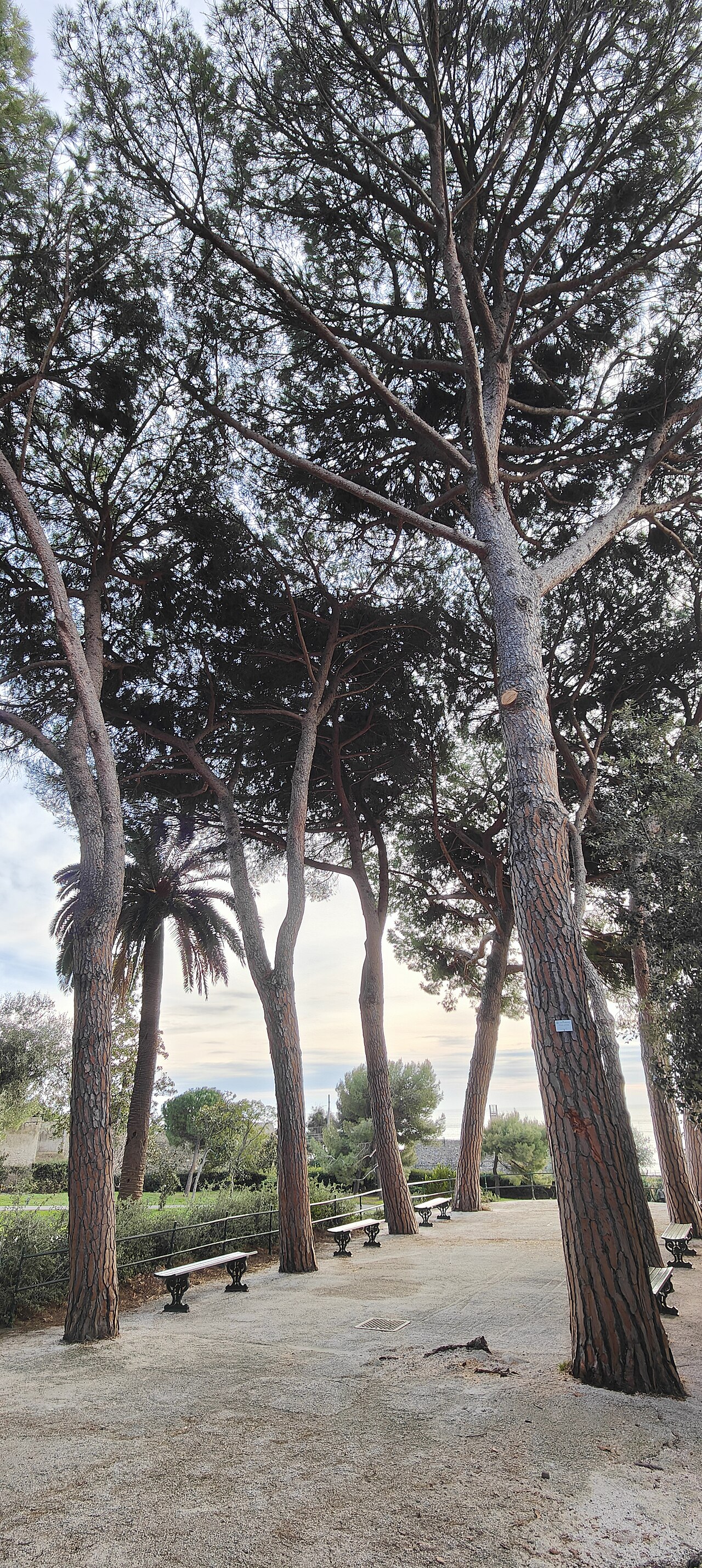
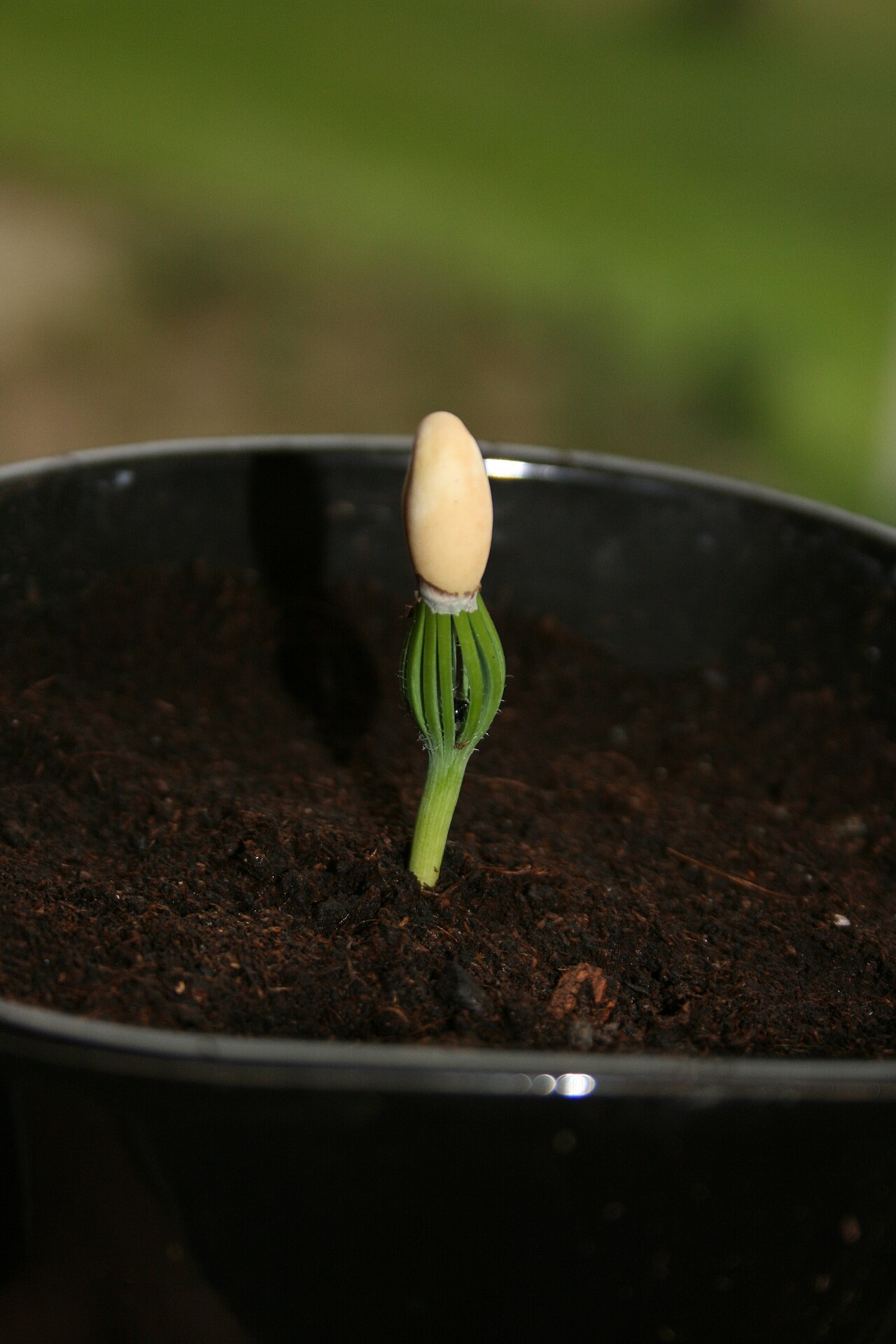
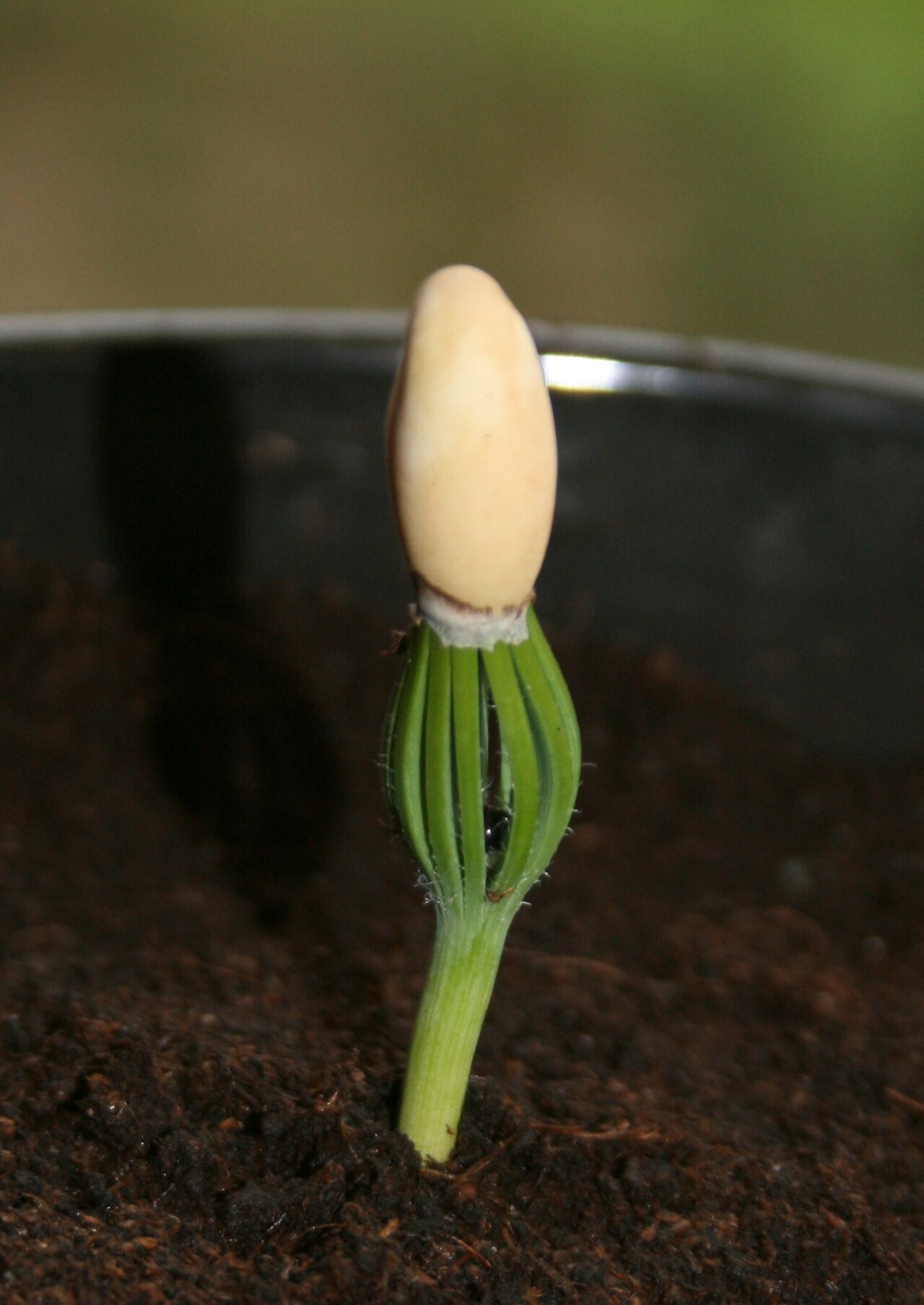
The stone pine is a coniferous evergreen that can exceed 25 meters in height, though 12–20 meters is more typical. In youth it is a bushy globe, in mid-age an umbrella canopy on a thick trunk, and in maturity a broad, flat crown over 8 meters wide. Its bark is thick, red-brown, and deeply fissured into broad vertical plates. The flexible mid-green leaves are needle-like, in bundles of two, and 10–20 cm long. Young trees bear single, glaucous blue-green juvenile leaves until about the tenth year, when adult leaves fully replace them. The cones are broad, ovoid, 8–15 cm long, and take 36 months to mature. The seeds are large, 2 cm long, pale brown with a powdery black coating, and have a rudimentary wing that falls off easily, making them animal-dispersed, originally mainly by the Iberian magpie and later by humans.
Reader's Guide
Pinus pinea is a characteristic yet controversial species throughout the Mediterranean basin. Its definitive native range is highly debated, with strong evidence suggesting origin in the Western Mediterranean, particularly the Iberian Peninsula, where Paleolithic and Pleistocene sites contain its remains. Pollen dating from 18–22 thousand years ago in Southern France supports native status there, while other opinions extend its native presence to Italy, Greece, Turkey, and Lebanon. The species has been intensively cultivated for its edible nuts and wood since at least the 4th century B.C., making it often impossible to distinguish truly native stands from naturalized ancient plantings. Today it is found across coastal areas from Portugal to Lebanon and the Black Sea. In Italy, it is among the symbols of Rome, planted along historic roads like the Via Appia since the Roman Republic. It has been introduced as an ornamental to other Mediterranean climate regions, including South Africa, California, and Australia, where it has naturalized and is listed as invasive in South Africa. The tree faces threats from the invasive Western conifer seed bug, which has destroyed many pine nut seeds in Italy, and from the fungal pathogen Pestalotiopsis pini, which causes shoot blight and stem necrosis in Portugal.
Did You Know?
- The stone pine's cones take 36 months to mature, longer than any other pine species.
- Its seeds have a rudimentary wing that falls off easily, making them ineffective for wind dispersal and instead animal-dispersed, originally mainly by the Iberian magpie.
- The Western conifer seed bug, accidentally imported from the western US to northern Italy in the late 1990s, has destroyed most pine nut seeds in Italy.
- Pinus pinea is a diagnostic species of the vegetation class Pinetea halepensis.
Gallery
Frequently Asked Questions
Who is Pinus pinea?
Pinus pinea is an evergreen conifer in the pine family (Pinaceae), commonly called the Italian or Mediterranean stone pine. It is a large tree that can reach up to 25 metres, though most specimens grow between 12 and 20 metres tall.
What are Pinus pinea's powers or role?
Its most celebrated trait is producing edible pine nuts—seeds roughly 2 cm long with a pale brown shell dusted in a powdery black coating. Beyond its culinary contribution, it is widely planted as an ornamental tree and has earned the RHS Award of Garden Merit for its beauty.
What makes Pinus pinea's timeline unusual?
Its cones take a full 36 months to mature, which is longer than any other pine species. This extended development period gives the tree a notably slow reproductive cycle compared to its relatives.
Where does Pinus pinea appear in the world?
It is native to the Mediterranean basin—Southern Europe and the Levant—with its exact origin debated, possibly the Iberian Peninsula. It has since been introduced to North Africa, the Canary Islands, South Africa, and New South Wales.
Why is Pinus pinea important?
Humans have cultivated it for its edible pine nuts since prehistoric times, making it one of the oldest continuously harvested trees. Its dual role as a food source and a prized ornamental has kept it central to Mediterranean culture for millennia.
More in Conifers & Allies 1-20
Spotted an error? Know more?
This is a living reference — every entry is fact-audited, and reader corrections feed straight into our audit queue. Suggest an edit · See this site's audit record