
Pinus halepensis
Mediterranean pine described by Sibthorp, used for timber, resin, and cuisine.

Godwin Borg · CC BY-SA 4.0
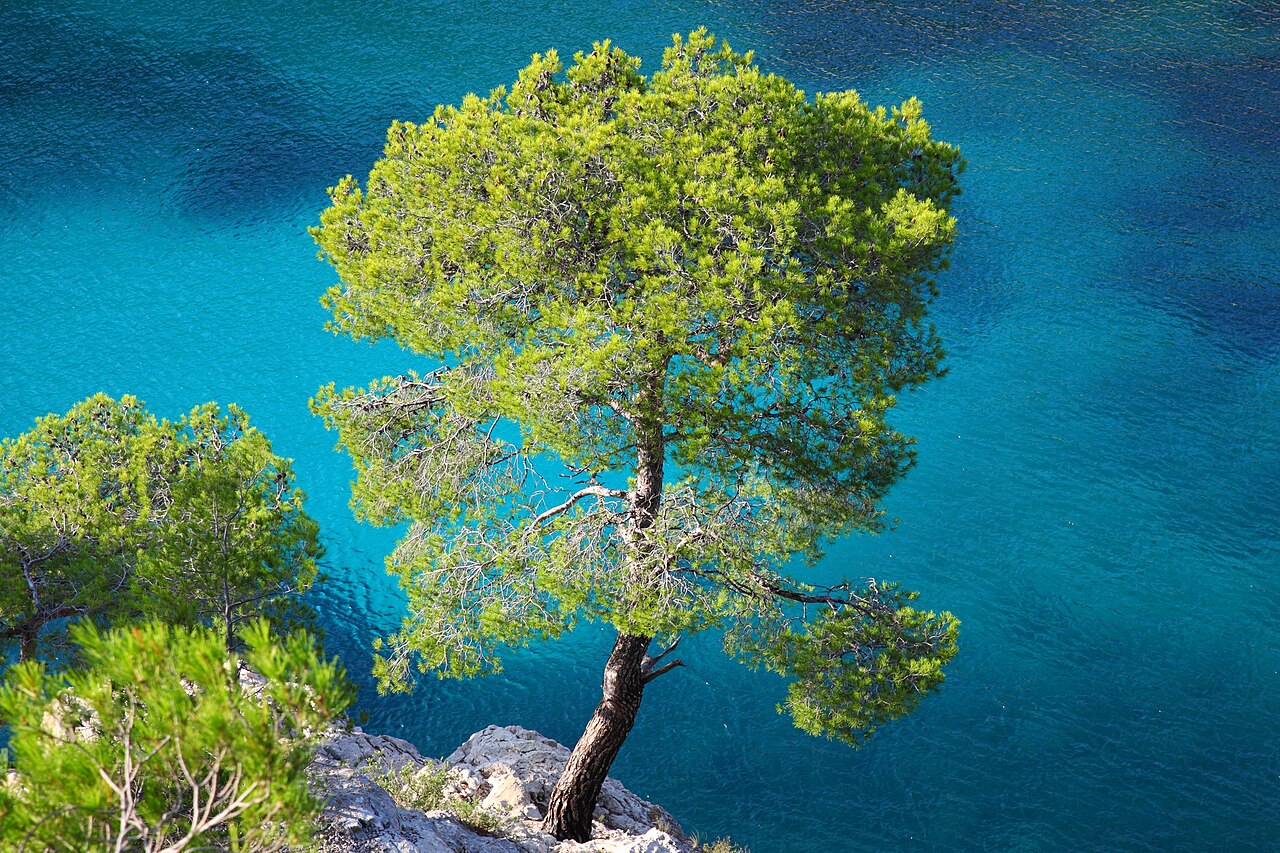
Pinus halepensis, commonly known as the Aleppo pine or Jerusalem pine, is a coniferous tree native to the Mediterranean region. The species is notable for its adaptability to dry climates, its use in forestry and cuisine, and its cultural associations.
- named_by
- John Sibthorp
Lore & Background
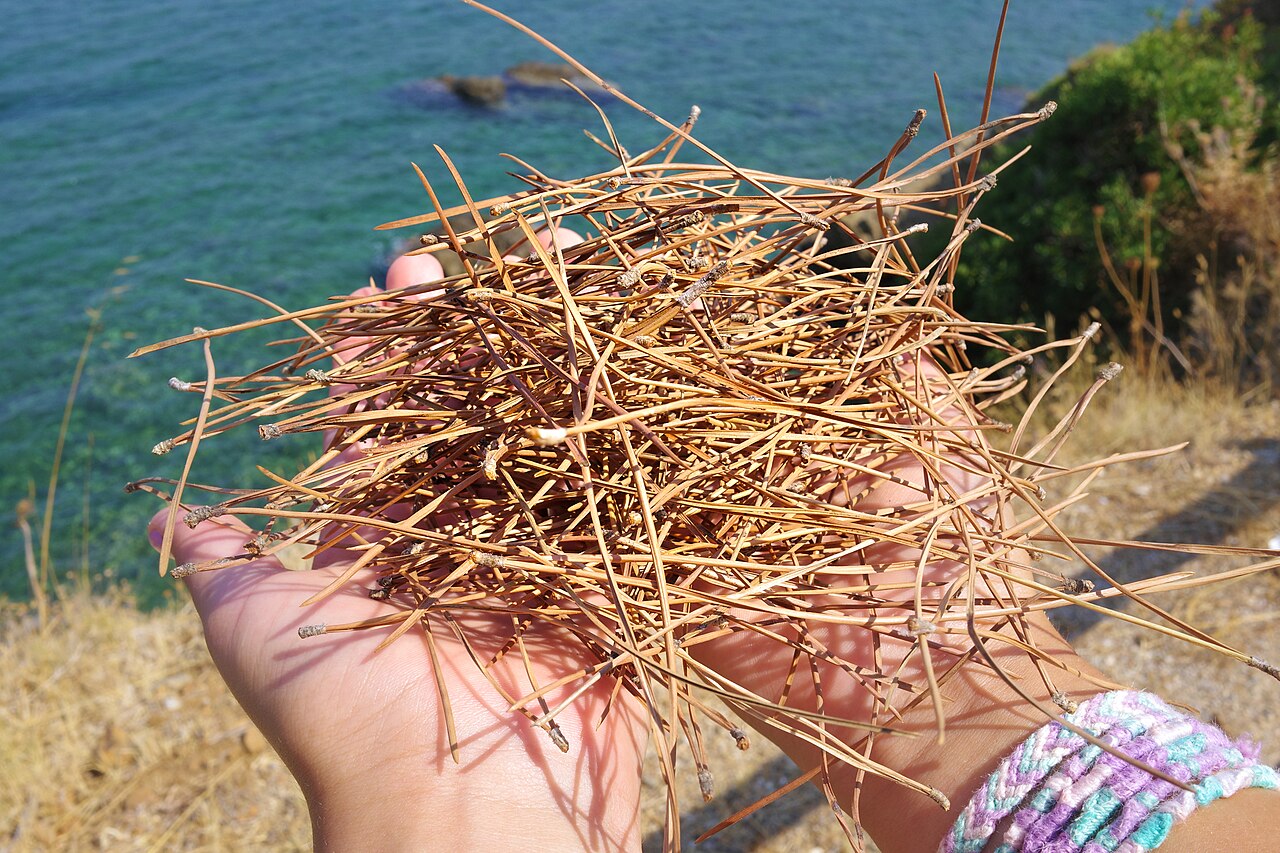
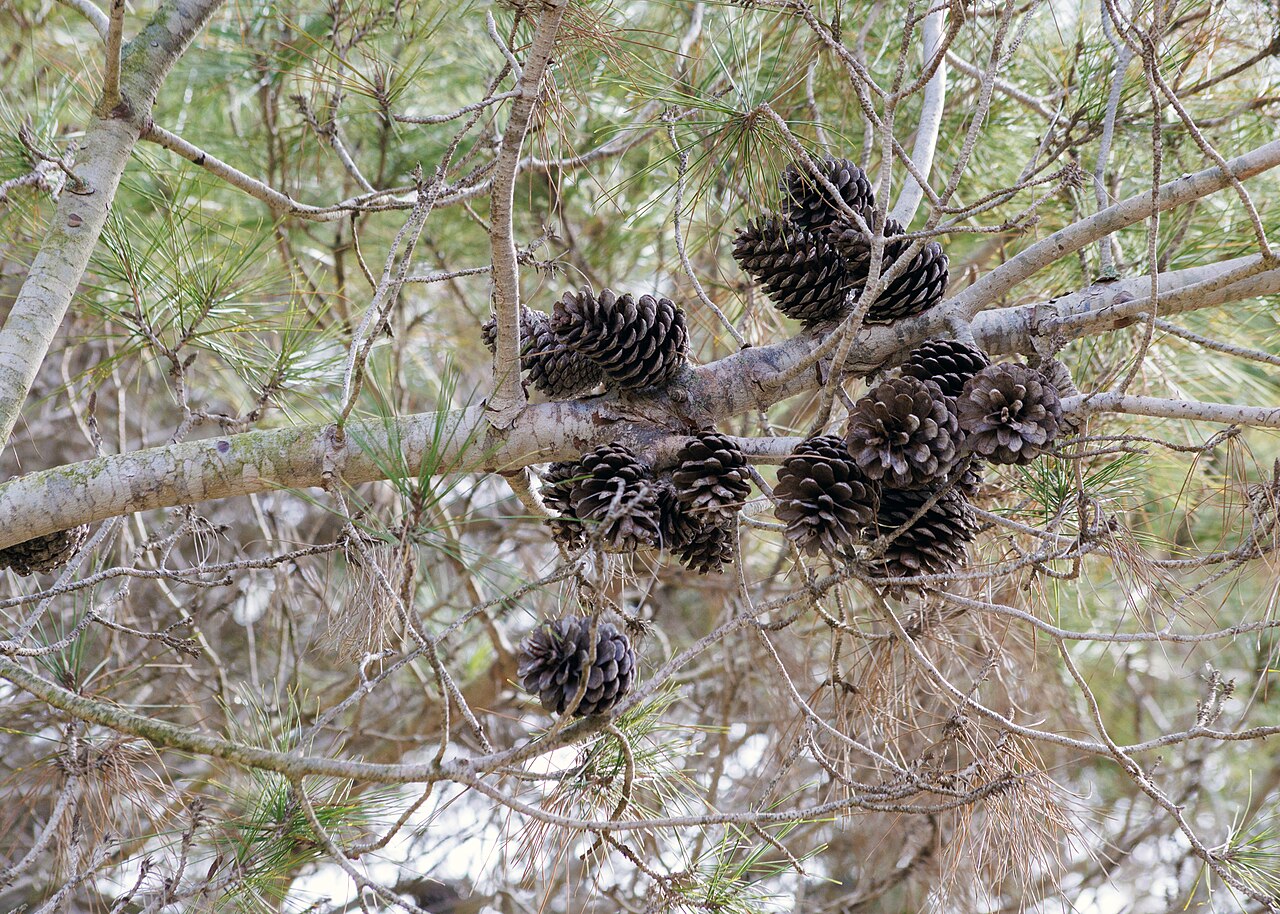
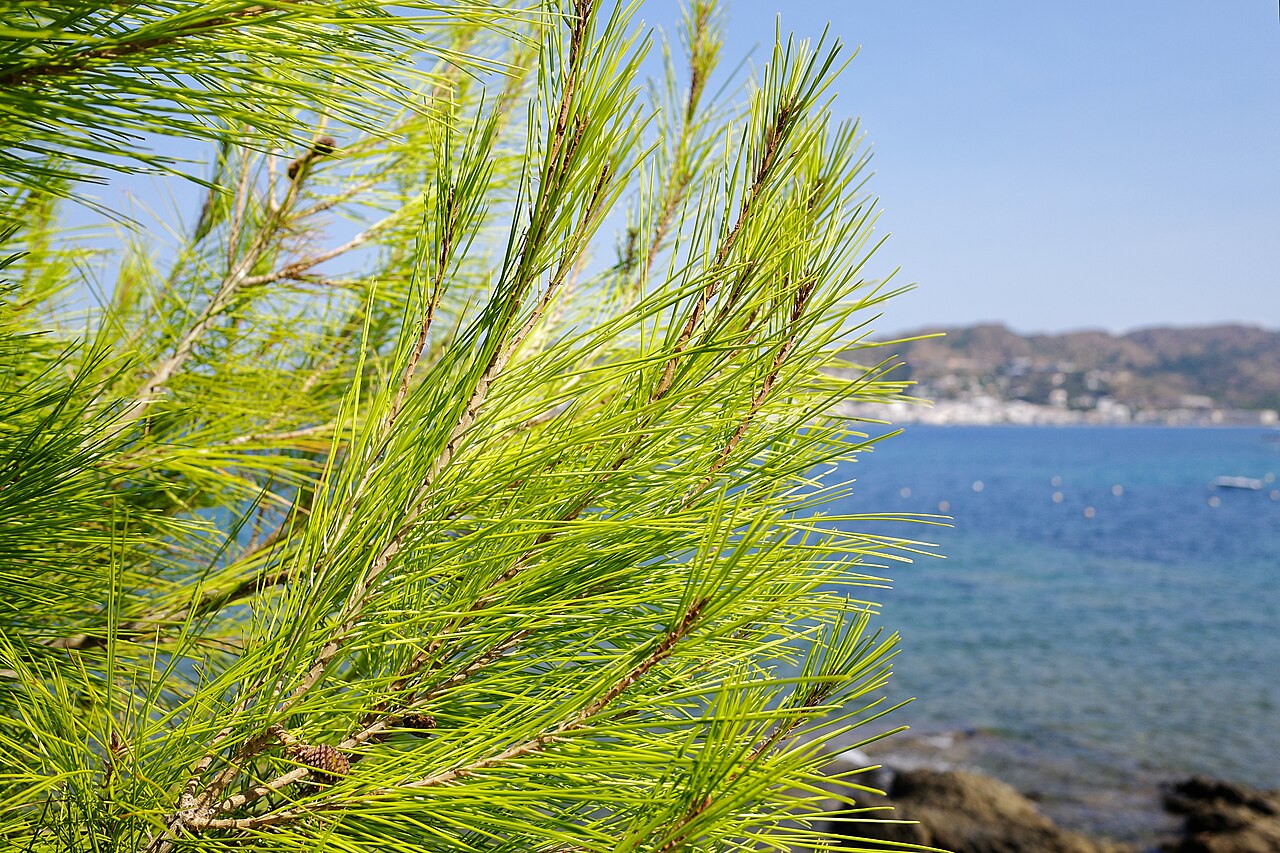
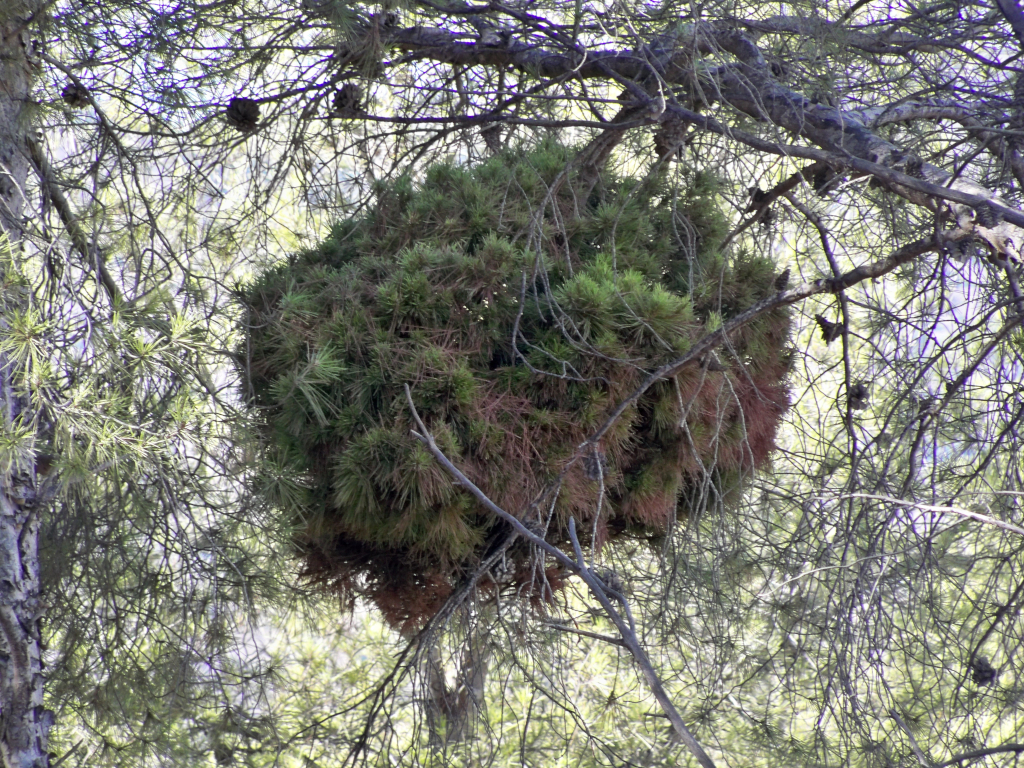
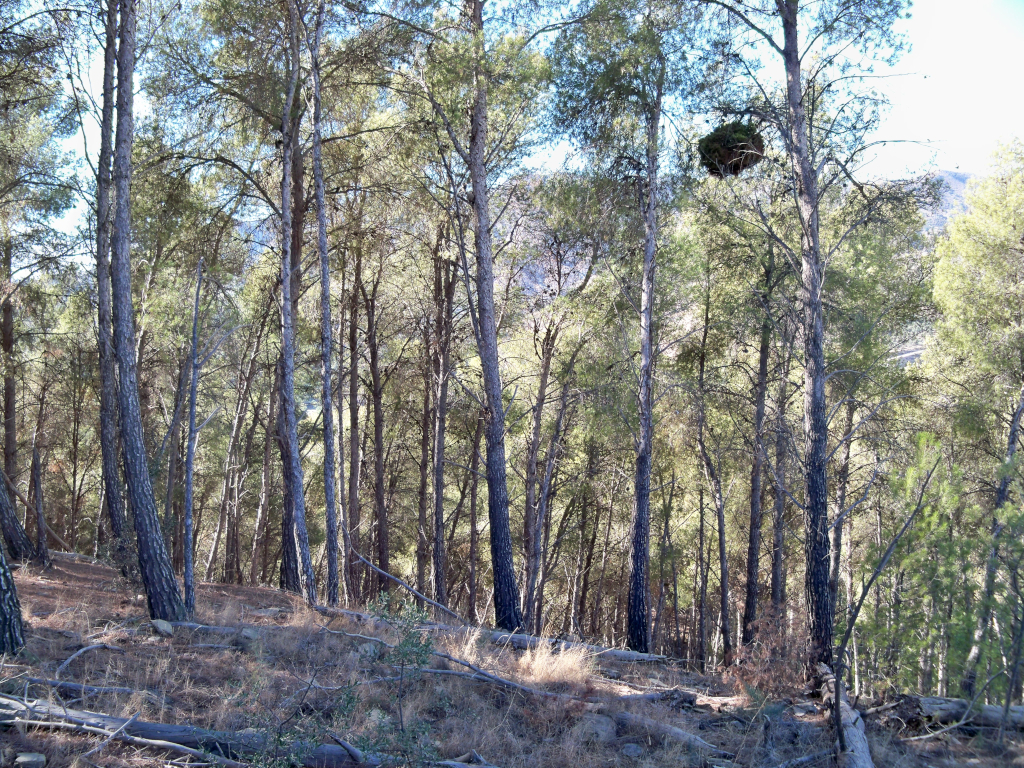
The tree's bark is orange-red, thick and fissured at the base, smooth and silvery-gray above. Its needles are slender, yellowish green, and grow in pairs. Cones are narrow, ripening glossy red-brown after 24 months, and are serotinous—remaining closed until triggered by heat, such as from forest fires. Seeds are wind-dispersed with a wing length of approximately 10–15 mm.
Reader's Guide
Pinus halepensis is significant as a diagnostic species of the vegetation class Pinetea halepensis and as a key forestry tree in Algeria and Morocco, valued for its hard, dense timber. In Israel, it has been extensively planted by the Jewish National Fund, notably in Yatir Forest on the edge of the Negev desert, where its survival exceeded expectations. However, some argue that replacing natural oak maquis with pine stands has created 'ecological deserts' and altered species assemblages. The tree is also used in local cuisines: its resin flavors Greek retsina wine, its pine nuts are used in Tunisian asidet zgougou and Maltese prinjolata. As an ornamental, it is planted in hot dry areas like Southern California and the Karoo. It is considered invasive in South Africa and South Australia, where control programs exist. Culturally, Paul Cézanne painted an Aleppo pine in his garden at Aix-en-Provence, and the tree is associated with ANZAC Day due to its use by soldiers at the Battle of Lone Pine.
Did You Know?
- The resin of the Aleppo pine is used to flavor the Greek wine retsina.
- The Aleppo pine is considered an invasive species in South Africa and South Australia.
Gallery
Frequently Asked Questions
What are Pinus halepensis's powers or role?
This pine is exceptionally hardy, tolerating hot, dry conditions and poor sandy soils where many other conifers would fail. In practical terms, it has long been harvested for timber, resin, and even culinary purposes across Mediterranean communities.
How does Pinus halepensis's story end?
There is no dramatic finale—Pinus halepensis remains a living, widespread species across the Mediterranean coast today. Its continued use in coastal dune stabilization and reforestation projects means its ecological narrative is still unfolding.
Why is Pinus halepensis important?
It anchors arid Mediterranean ecosystems by holding sandy soils in place and offering habitat where few other trees can establish. Culturally, it carries deep symbolic resonance in regions such as Israel and Greece, frequently appearing in folklore, religious art, and local identity.
More in Conifers & Allies 1-20
Spotted an error? Know more?
This is a living reference — every entry is fact-audited, and reader corrections feed straight into our audit queue. Suggest an edit · See this site's audit record